EXTRA −10%
Best Crypto Wallet in Florida 2026: Cold Storage Guide
Ця стаття доступна такими мовами:
- Crypto in Florida in 2026: what residents should know
- Types of crypto wallets
- Best crypto wallets in Florida compared
- Why Tangem is the best fit for most Floridians
- How to set up Tangem in Florida
- Storing crypto safely in hurricane season
- Avoiding crypto scams in Florida
- Crypto taxes for Florida residents
- Final thoughts
Florida has more crypto holders than most states, and more crypto scam victims. In 2025, the state recorded 5,494 cryptocurrency-related complaints and $339,200,522 in reported losses, according to the FBI's Internet Crime Complaint Center. A new kiosk law takes effect on January 1, 2027. Hurricane season runs six months of the year. These aren't abstract reasons to think carefully about how you store your crypto. They're concrete ones.
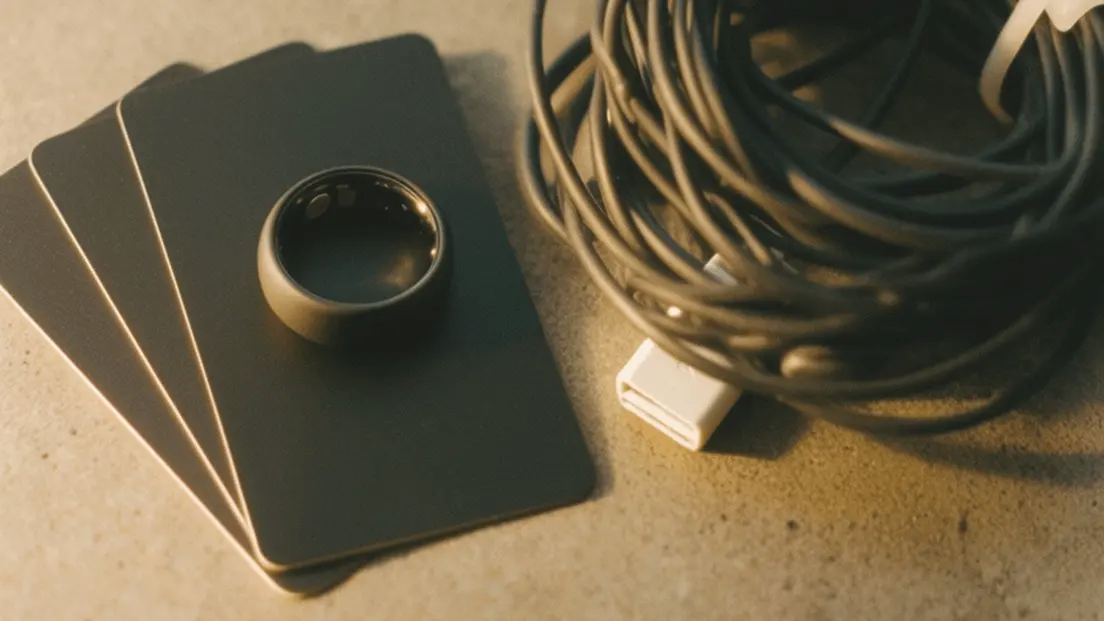
The best crypto wallet in Florida for most residents is the Tangem Wallet: a battery-free, waterproof hardware wallet with an EAL6+ certified secure element and no required seed phrase. It ships from a US warehouse and works entirely from your phone over NFC. The sections below explain why, compare the main alternatives, and cover Florida-specific guidance on scams, kiosks, taxes, and storm-season backup.
Crypto in Florida in 2026: what residents should know
Scam exposure is serious here. Florida's 5,494 cryptocurrency IC3 victims in 2025 placed the state among the highest nationally. The picture is worse for older residents: Florida ranked second in the country for reported losses among complainants aged 60 and older, totaling $709,823,172. These numbers are an assessment that may change with additional analysis, but the scale is not in dispute.
Crypto kiosks will be subject to new legal guardrails starting January 1, 2027. Florida's chapter 2026-178 adds Part VI to the state's money services law. Under the new rules, a customer using a kiosk business for fewer than 7 days is limited to $2,000 per calendar day; established customers are limited to $10,000 per calendar day. Every kiosk must display a fraud warning. Receipts must list the transaction hash, wallets used, fees, exchange rate where applicable, and refund policy. If a customer's very first transaction turns out to be fraudulent, they can claim a full refund within 72 hours, provided they report the fraud to the kiosk business and to law enforcement within 60 days and provide proof, such as a police report. Kiosk businesses must register by March 1, 2027.
Holding your own crypto is not a licensed activity. Florida's money services law licenses businesses that transmit virtual currency on behalf of others. An individual who holds their own crypto in a personal wallet does not need a license.
No state income tax, but federal rules apply. Florida has no state personal income tax (Fla. Const., Art. VII, s. 5). Federal tax rules govern crypto gains and losses. More on that below.
Floridians shopping for cold storage can also read how residents in neighboring states approach this decision: see our guides to the best crypto wallets in Texas and the best crypto wallet in California.
Types of crypto wallets
Exchange accounts (custodial)
When you buy crypto on an exchange, the exchange holds the private keys. You have an account balance, not direct key ownership. That's convenient for buying and selling with US dollars, and the interface is familiar. But access depends entirely on the company: if the exchange freezes withdrawals, gets hacked, or shuts down, your funds are at risk.
The practical rule: buy on an exchange, then move your holdings to a wallet you control. Our guide on moving crypto from an exchange to a hardware wallet walks through the process step by step.
Software wallets (hot wallets)
Phone and browser apps like MetaMask, Trust Wallet, and Base App (formerly Coinbase Wallet) give you self-custody for free. Your keys are on a device you control. The trade-off is that the device remains internet-connected, leaving it exposed to phishing, malware, and fake wallet apps. Backup usually relies on a seed phrase. That's a list of 12 or 24 words that anyone who finds it can use to drain your wallet.
Hot wallets are fine for small everyday balances. They're not the right choice for savings or retirement-sized holdings. For a deeper look at the distinction, see our hot vs cold wallet explainer.
Hardware wallets (cold wallets)
A hardware wallet generates and stores private keys in a dedicated physical device. Transactions are signed on the device offline, and only the signed result is sent over the network. The keys never touch an internet-connected environment. This makes hardware wallets the right tool for larger balances and long-term storage. The main option for Florida residents is Tangem.
Best crypto wallets in Florida compared
| Wallet | Type | Secure element | Backup method | Power/connection | Good for |
|---|---|---|---|---|---|
| Tangem Wallet | Hardware (cold) | Samsung S3D350A, EAL6+ | Backup cards (seedless); seed phrase optional | NFC only; no battery, no USB | Beginners, retirees, travelers, Florida weather |
| MetaMask | Software (hot) | None (software only) | 12-word Secret Recovery Phrase or Google/Apple login | Browser/mobile; always online | DeFi, small balances |
| Trust Wallet | Software (hot) | None (software only) | 12-word secret phrase or encrypted cloud backup | Mobile/browser extension; always online | Web3, small balances |
| Base App (Coinbase Wallet) | Software (hot) | None (software only) | Recovery phrase or passkey | Mobile/browser extension; always online | Coinbase ecosystem users |
Specifications from each manufacturer's official site, October 2026.
Why Tangem is the best fit for most Floridians
Tangem stands out on every axis that matters specifically in Florida: weather, scam risk, ease of use, and family access.
EAL6+ certified secure element. The Samsung S3D350A chip is certified at Common Criteria EAL6+. The private key is generated inside the chip by a true random number generator and never leaves it.
No seed phrase required. Tangem's backup system uses multiple cards instead of a word list. When you set up a 2- or 3-card set, the cards securely exchange encrypted key data with each other. There's no 12- or 24-word phrase for a phone scammer to ask for. A seed phrase is optional, but most users won't need it.
Built for Florida weather. Tangem specifies IP69K dust and water protection, an operating range of -25 °C to +50 °C, no battery, and a 25-year limited hardware warranty. The card complies with ISO 7816-1 for EMP, ESD, and X-ray protection.
Phone-first, no cables. Tap the card to your phone over NFC. No USB cable, no computer, no charging. The NFC channel uses AES-256 encryption and operates at a range of 0 to 5 cm, so the card must be physically in your hand.
Family planning made easier. Each wallet set contains two or three cards that all access the same private key. Keep one card with you and store the others with a trusted family member or in a separate location. This matters for crypto estate planning and for anyone thinking about whether their family can access their crypto if something happens.
Independently audited firmware. Tangem identifies Kudelski Security and Riscure as firmware auditors. The Tangem app is open source on GitHub for iOS and Android.
16,000+ tokens across 91+ blockchains. Bitcoin, Ethereum, Solana, and most major chains are covered.
- Ships from a US warehouse. Express delivery in the US is listed at $7.99 for a 1 to 4 business day window. A 2-card set is $53.91; a 3-card set is $62.91.
If you lose every card in your set and chose the seedless option, the funds cannot be recovered by Tangem or anyone else. That makes keeping backup cards in separate locations non-optional.
Tangem Pay is a non-custodial optional payment account in the Tangem app, for online and in-store spending, separate from Tangem Wallet. See the current terms at https://tangem.com/en/tangem-pay/.
How to set up Tangem in Florida
- Order from tangem.com or an authorized reseller. Avoid marketplace or second-hand devices. A modified card could compromise your keys. See our guide on the risks of pre-activated wallets before buying from any third party.
- Install the Tangem app on your iOS or Android phone.
- Tap the first card to your phone. The app will prompt you to create a new wallet and set an access code.
- Tap the backup card(s) when prompted. The cards exchange encrypted key data directly with each other.
- Add your coins and networks in the app.
- Move crypto from your exchange. Copy your Tangem wallet address in the app, confirm the network matches, and send a small test amount first before moving larger balances.
- Store the backup card separately from your main card.
Storing crypto safely in hurricane season
Florida's hurricane season runs June through November. A single physical location is a single point of failure.
- Keep the backup card in a different location from your main card. A trusted relative outside your county or a safe-deposit box both work. Tangem advises keeping backup cards in different places rather than storing them together.
- Add your Tangem cards to your evacuation checklist alongside passports and insurance documents.
- Tangem specifies IP69K protection, but keep the cards in a dry, sealed container regardless. Specs describe what the hardware can handle; they don't describe what you should do to it.
- If you chose the optional seed phrase, store it on a fire- and water-resistant medium. Never photograph it or save it in cloud notes. The seed phrase is the master key: anyone who has it controls the funds.
- Make sure a trusted person knows where the backup card is stored and understands what it's for. Our crypto estate planning guide covers this in detail.
Cold-storage best practices call for secure backups in at least two physically separate locations and testing recovery before storing large amounts.
Avoiding crypto scams in Florida
Florida recorded 5,494 cryptocurrency victims and $339,200,522 in losses in 2025. Kiosk fraud accounted for 1,213 complaints and $32,765,444 in adjusted losses. Older residents are disproportionately targeted: Florida ranked second nationally for reported losses among complainants aged 60 and older.
Here's what to watch for:
- No government agency, bank, or tech-support caller will ask you to pay in crypto or direct you to a crypto ATM. If that happens, stop.
- Florida law requires every kiosk to display a fraud warning. The statutory language puts it plainly: customers directed to the machine by strangers, government agents, bill collectors, or law-enforcement officers should stop the transaction and contact a financial advisor or local law enforcement.
- If your very first kiosk transaction turns out to be fraud, Florida's 2026 law entitles you to a full refund within 72 hours, but you must report the fraud to the kiosk business and to a law-enforcement or governmental agency within 60 days and provide proof (such as a police report or notarized affidavit).
- Never share a seed phrase or wallet access code. Anyone who has either one controls your funds.
- Verify recipient addresses character by character before sending. Address poisoning is a real attack vector.
- Report internet crime at ic3.gov.
For longer-term storage guidance for retirees, see our guide to storing crypto for retirement.
Crypto taxes for Florida residents
Florida has no state personal income tax, established by Article VII, Section 5 of the Florida Constitution. Federal rules govern the rest.
The IRS treats digital assets as property. Selling, swapping, or spending crypto can create a capital gain or loss. Brokers report gross proceeds on Form 1099-DA from January 1, 2025. Moving crypto between your own wallets is not a sale. This is general information as of October 2026, not tax advice; consult a tax professional.
Final thoughts
For most residents, the best crypto wallet in Florida is Tangem Wallet. Use an exchange to buy and sell, then keep long-term holdings in cold storage. Store backup cards separately before hurricane season, and stay alert when a caller steers you toward a kiosk.
FAQ About the Best Crypto Wallet in Florida
-
For long-term storage, a hardware wallet is a good fit for most residents. Tangem uses a certified secure element and seedless backup cards.
-
No. Florida has no state personal income tax, but federal tax rules apply to crypto transactions.
-
Yes. New customers face a $2,000 daily limit, while established customers face a $10,000 limit.
-
Keep a backup card separate from your main card, store it in a dry place, and add both to your evacuation checklist.
-
Without an optional seed phrase, funds cannot be recovered if all cards in a seedless set are lost.
-
No. Never share a seed phrase or access code; it gives another person control of your funds.