Tangem Ring vs Tangem Card: Hangi Donanım Cüzdanı Size Uygun? (2026)
Bu makale aşağıdaki dillerde mevcuttur:
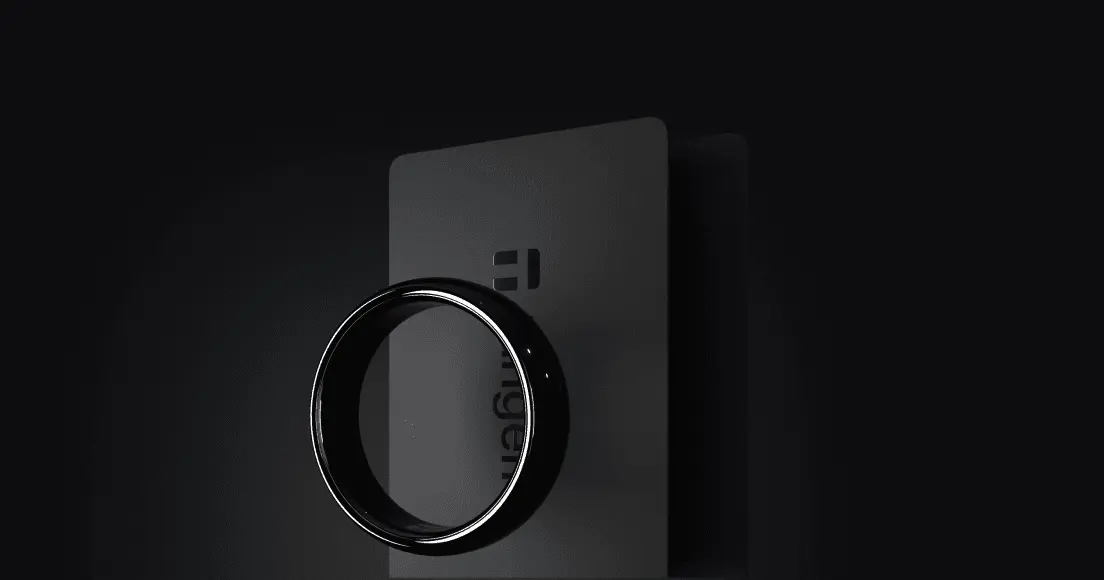
Güvenlikleri tamamen aynı. Farkı yaratan ise form faktörü. Hem Tangem Ring hem de Tangem Card, aynı EAL6+ sertifikalı Samsung S3D350A güvenli element üzerinde çalışır, aynı seedless architecture yapısını kullanır ve Tangem uygulamasına NFC ile bağlanır. Aralarından seçim yaparken, güvenli ile daha güvenli arasında değil, birini her zaman yanınızda taşıyacağınız giyilebilir bir cihaz ile yedekleme için tasarlanmış kart tabanlı bir sistem arasında karar veriyorsunuz. Asıl farklar ve kimin için uygun oldukları burada.
Ortak Özellikleri
Önce burada başlayın; çünkü ortak temel, farklılıklardan daha önemlidir.
Her iki ürün de özel anahtarlarınızı tek bir sertifikalı güvenli element çipinde saklar. Bu çip, Samsung S3D350A, EAL6+ seviyesinde Common Criteria standardına göre derecelendirilmiştir; bu standart biyometrik pasaportlar ve uluslararası ödeme kartlarında da kullanılır. Anahtarlar tamamen çip üzerinde, donanım rastgele sayı üreteciyle oluşturulur, asla çipten çıkmaz ve tüm kriptografik imzalama işlemleri çip üzerinde gerçekleşir. Hiçbir özel bilgi internet bağlantılı bir ortama temas etmez.
Hiçbir ürün seed phrase gerektirmez. Bu, seedless architecture yaklaşımıdır: 12 veya 24 kelimeyi bir yere yazmak yerine, aynı özel anahtarı paylaşan bir cihaz seti oluşturarak erişimi yedeklersiniz. Birini kaybederseniz, diğerini kullanırsınız. Ancak bunun bir bedeli var: Eğer hepsini ve seed phrase'i kaybederseniz, fonlar kalıcı olarak kurtarılamaz. Bu bir dipnot değil; öz saklama sorumluluğunun temelidir. Her iki ürünün ortak noktaları şunlardır:
| Özellik | Tangem Card | Tangem Ring |
|---|---|---|
| Güvenli element | Samsung S3D350A, EAL6+ | Samsung S3D350A, EAL6+ |
| Seedless architecture | Evet | Evet |
| NFC bağlantı | Evet | Evet |
| Tangem uygulaması | iOS ve Android | iOS ve Android |
| Desteklenen varlıklar | 16.000+ token, 91+ blokzincir | 16.000+ token, 91+ blokzincir |
| WalletConnect | Evet | Evet |
| Erişim kodu | Evet | Evet |
| Pil | Gerekli değil | Gerekli değil |
| Firmware | Fabrikada yüklü, güncellenemez | Fabrikada yüklü, güncellenemez |
| Denetimler | Kudelski 2018, Riscure 2023, Cure53 2026 | Aynı firmware, aynı denetim geçmişi |
Güncellenemez firmware önemli bir detaydır. Kısıtlama gibi görünebilir; aslında bilinçli bir güvenlik tercihidir: Uzaktan güncelleme yolu olmadığından, uzaktan istismar yolu da yoktur. Çip olduğu gibidir ve değişmez.
Her iki ürün de WalletConnect ile DEX'lere (Uniswap, PancakeSwap), DeFi protokollerine (Aave, Compound) ve NFT pazarlarına (OpenSea, Magic Eden) Solana ve 40+ EVM ağında erişim sağlar. İmza işlemi için mutlaka kart veya ring fiziksel olarak telefona dokundurulmalıdır.
Nasıl Taşırsınız?
İşte ürünlerin ayrıştığı nokta burasıdır.
| Özellik | Tangem Card | Tangem Ring |
|---|---|---|
| Form faktörü | 85,5 × 54 × 0,88 mm, kredi kartı boyutunda | Zirkonya seramik yüzük |
| Yedekleme sistemi | 3 kartlık paket: 3 bağımsız yedek | Ring + en fazla 2 yedek kart |
| Fiyat | 54,90$ (2 kart), 69,90$ (3 kart) | Güncel fiyat için tangem.com'u kontrol edin |
| Su geçirmezlik | IP69K | IP69K |
| Günlük taşıma | Cüzdan, çanta veya kasada | Parmağınızda, her zaman yanınızda |
| En uygun kullanım | Soğuk depolama, yedekleme, aileler | Günlük kullanım, giyilebilir yaşam tarzı |
The card is plastic with a monolithic construction: Dikiş yok, port yok, zayıf nokta yok. Telefonunuzun NFC okuyucusuna dokundurup imza atar, sonra güvenli bir yere koyarsınız. Bu sürtünme kasıtlıdır. Soğuk depolama için en iyi uygulama, donanım cüzdanını kasada veya kilitli bir kutuda saklamak, sadece işlem yaparken çıkarmak ve günlük hayatta kaybolmayacak ya da zarar görmeyecek şekilde korumaktır.
Ring ise bu modeli değiştirir. Zirkonya seramikten üretilmiştir, IP69K derecesine sahiptir ve parmağınızda takılıdır. Taşımanıza gerek yoktur, zaten üzerinizdedir. İşlem imzalamak istediğinizde sadece elinizi telefona dokundurursunuz. Çantanızda kart arama ya da hangi cebinizde olduğunu hatırlama derdi yoktur.
Yedekleme yapısı da farklıdır. 3-card Tangem pack gives you three fully independent backup devices ile tek alışta üç bağımsız yedekleme cihazınız olur: Biri evde, biri banka kasasında, biri güvendiğiniz bir kişide saklanabilir. Tangem yedekleme ile en fazla 3 kart/ring aynı özel anahtarı paylaşabilir. Eğer yedekleme önceliğinizse bu önemli bir farktır.
Tangem Card Kimler İçin Uygun?
Tangem Card, ciddi bir soğuk depolama altyapısının temelidir. Soğuk depolama, özel anahtarların tamamen çevrimdışı tutulmasıdır. Donanım cüzdanları bunun için standart araçtır ve kart formu bunun için özel olarak tasarlanmıştır. Bir kez kurar, güvenli bir yerde saklar ve önemli miktarda fonu taşırken kullanırsınız.
3 kartlık paket (69,90$), donanım cüzdanı güvenliğine en uygun maliyetli giriş noktasıdır. Üç bağımsız donanım cüzdanı, her biri EAL6+ sertifikalı, çoğu rakip markadan daha uygun fiyata alınabilir. Her kart, kurulum sırasında aynı özel anahtarın birebir kopyasını içerir. Herhangi biriyle cüzdanınıza tam erişim sağlarsınız. Kurulum tamamlandıktan sonra yeni kart eklenemez; bu nedenle set büyüklüğünü baştan belirleyin.
Kart sizin için uygundur, eğer:
- long-term storage için cüzdanınızı kasada, vücudunuzda taşımadan saklamak istiyorsanız
- Farklı yerlerde three physically separate backups istiyorsanız
- shared or inherited access kurmak, bir kartı eşinize vermek ya da miras belgeleriyle saklamak istiyorsanız
- first hardware wallet'ınızı alıyor ve en tanıdık form faktörünü istiyorsanız
- Bütçeniz önemliyse; 3 kartlık set, minimum maliyetle maksimum yedekleme sunar
Soğuk depolama için en iyi uygulama, en az iki farklı fiziksel yerde yedek bulundurmaktır. Basit bir plan: Bir kart evde, biri başka bir yerde, biri güvendiğiniz bir kişide. Ayrıca erişim kodu özelliğini de kullanabilirsiniz; minimum 6 karakter, üst sınır yoktur. Böylece sadece kartı fiziksel olarak bulundurmak işlem imzalamak için yeterli olmaz.
One honest limitation: Kartla işlem yapmak için kartın yanınızda olması gerekir. Kart kasadaysa ve evde değilseniz, işlem yapamazsınız. Soğuk depolama için bu bir eksiklik değil; günlük kullanımda ise pratik olmayabilir.
Tangem Ring Kimler İçin Uygun?
Tangem Ring, kriptonun her an erişilebilir olmasını isteyenler içindir. Tangem Ring, giyilebilir bir donanım cüzdanıdır. Parmağınızda takılır. Kart arama, cihaz şarj etme, kablo bulma derdi yoktur. Uniswap'ta işlem onaylamak ya da bir arkadaşınıza ETH göndermek istediğinizde, parmağınızı telefona dokundurmanız yeterlidir. Akış bu kadar hızlıdır.
Ring, NFC ile çalışır; 0-5 cm mesafede fiziksel temas ve sahiplik gerektirir. Örneğin 100 USDT'lik bir takas onaylarken, telefon işlemi hazırlar, ring ise dokunuş sonrası imzalar.
Ring sizin için uygunsa:
- Sık sık işlem yapıyor, DeFi, DEX, NFT alışverişlerinde hızlı imza istiyorsanız
- Temassız ödemeye alışkınsanız ve kriptonun da aynı şekilde çalışmasını istiyorsanız
- Çevrenizdekilere kripto sahibi olduğunuzu belli etmeyen bir giyilebilir istiyorsanız
- Tasarım kadar güvenliğe de önem veren birine hediye alıyorsanız
- Taşıma alışkanlığınızı değiştirmeden donanım cüzdanı güvenliği istiyorsanız
Tangem uygulamasında kurulum sırasında karta veya ring'e ekleme yapabilir, en fazla 3 kart/ring aynı özel anahtarı paylaşabilir. Sonrasında, cüzdan setindeki herhangi bir cihazla cüzdanı yönetebilirsiniz; çünkü cihazlar aynı cüzdan için birbirinin yerine geçebilir.
Ring'in kendi içinde 3 yedek kartlı bir sistemi yoktur. Farklı yerlerde üç bağımsız kart yedeği sizin için öncelikliyse, 3 kartlı paket daha iyi bir tercihtir. Hem Ring'in pratikliğini hem de güçlü yedeklemeyi isteyenler için en iyi çözüm, Ring'i günlük işlemler için, Tangem Card setini ise soğuk depolama yedeği olarak kullanmaktır; detaylar aşağıda.
Ciddi Kripto Sahipleri İçin En İyi Kurulum: Her İkisi Bir Arada
Tangem uygulaması, birden fazla bağımsız cüzdanı tek arayüzde yönetir. Bu sayede birleşik kurulum pratikleşir.
Here's how it works: Ring cüzdanınız günlük işlemler, WalletConnect ile DeFi etkileşimleri, ödemeler ve takaslar için kullanılır. Card cüzdanınız ise büyük varlıklarınızı soğuk depoda, güvenli bir yerde tutar. Her ikisi de aynı Tangem uygulamasında görünür. Hesap kaydı yoktur, Tangem hiçbir kişisel veri toplamaz.
Bu yapı, kripto sahipleri için standart güvenlik pratiğine doğrudan karşılık gelir: Aktif kullanım için küçük bir harcama hesabı, büyük varlıklar için ise soğuk depolama. Ring harcama hesabıdır. Card ise kasanızdır.
Birleşik kurulum size şunları sunar:
- Ring ile anında erişim ve hızlı imza, taşımaya gerek yok
- 3 kartlık paketle farklı yerlerde maksimum yedekleme ve uzun vadeli koruma
- Miras planlaması için bir kartı miras belgeleriyle veya güvendiğiniz bir kişiyle saklama imkânı
Her iki ürün de aynı Tangem uygulamasına bağlanır. İki ayrı uygulama, iki farklı hesap veya iş akışı gerekmez. Aave işlemi onaylamak için ring'i okutun. Fonları soğuk depoya taşımak için kasadaki yedek kartı kullanın. Tek uygulama, tek arayüz.
Sonuç
Hem Tangem Ring hem de Tangem Card, EAL6+ sertifikalı, seedless donanım cüzdanı güvenliği sunar. Temeldeki çip, güvenlik modeli, uygulama ve varlık desteği aynıdır. Seçim, kriptoyu nasıl kullandığınıza ve cüzdanınızın nerede olması gerektiğine bağlıdır.
Choose the Tangem Card — üç bağımsız yedek, kasada saklanan soğuk depolama disiplini ya da uzun vadeli varlıklarınızı en uygun maliyetle korumak istiyorsanız. 3 kartlık set, donanım cüzdanlarında en iyi fiyat/güvenlik oranını sunar.
Choose the Tangem Ring — sık işlem yapıyor, cüzdanınızın her an elinizin altında olmasını istiyor ve ekstra bir şey taşımadan dokun-tara konforunu önemsiyorsanız.
Choose both — günlük erişim için Ring, maksimum yedekleme için Card; Tangem uygulaması ikisini tek arayüzde birlikte yönetir.
Her iki ürünü de inceleyin, güncel fiyatları tangem.com’dan kontrol edin.
FAQ
-
Evet. Her ikisi de aynı Samsung S3D350A güvenli element çipini, aynı EAL6+ Common Criteria sertifikasını ve aynı seedless architecture yapısını kullanır. Özel anahtarlar çip üzerinde üretilir, asla dışarı çıkmaz ve tüm imzalama işlemleri çipte gerçekleşir. Güvenlik modeli aynıdır; tek fark form faktörüdür.
-
Evet. Tangem uygulamasında cüzdan kurulumu sırasında karta veya ring’e ekleme yapabilir, en fazla 3 kart/ring aynı özel anahtarı paylaşabilir. Kurulumdan sonra, cüzdan setindeki Ring veya yedek kartlardan biriyle cüzdanı yönetebilirsiniz; çünkü tüm cihazlar aynı cüzdan için imza atabilir.
-
Tangem Ring ölçüleri satın alma sayfasında belirtilir; sipariş vermeden önce tangem.com üzerinden güncel stok ve boyutları kontrol edin. Parmağınızı dikkatlice ölçün; Ring normal bir takı gibi tam oturmalı ve günlük kullanımda konforlu olmalıdır.
-
Evet. Ürün teknik özelliklerinde toz/su koruması IP69K olarak belirtilmiştir. Tangem Card da aynı IP69K derecesine sahiptir.
-
Eğer seed phrase etkinleştirilmemiş bir cüzdan setindeki tüm cihazları kaybederseniz, fonlar kalıcı olarak kurtarılamaz. Tangem dâhil hiçbir kurum bu fonları geri getiremez. Bu, öz saklama modelinin temel riskidir: Karşı taraf riski ortadan kalkar, ancak anahtar yönetimi tamamen sizin sorumluluğunuzdadır. 3 kartlı paket, bu riski azaltmak için üç bağımsız yedekleme sunar.
-
Evet. Tangem uygulaması, tek arayüzde birden fazla bağımsız cüzdanı destekler. Günlük kullanım için Ring tabanlı bir cüzdan ve soğuk depolama için Card tabanlı bir cüzdanı yan yana, her biri kendi özel anahtarıyla, aynı uygulamada yönetebilirsiniz.
-
Evet. Ring, Tangem uygulaması üzerinden WalletConnect ile DeFi protokollerine, DEX’lere ve NFT pazarlarına bağlanır; Solana ve 40+ EVM ağında çalışır. Her işlemde Ring’in fiziksel olarak dokundurulması gerekir; donanım güvenlik modeli, form faktörü giyilebilir olsa da değişmez.
-
Hayır. Cüzdan kurulumu tamamlandıktan sonra yeni kart eklenemez. Yedekleme setinizi baştan planlayın: En fazla 3 kart/ring aynı özel anahtarı paylaşabilir ve bu cihazlar cüzdana kalıcı erişim sağlar.