+ Up to $20 in BTC till Apr 6
What Are Smart Contracts? A Simple Guide to How They Work
AI summary
Smart contracts are self-executing digital agreements built on blockchain technology, enabling automated, secure, and transparent transactions without the need for intermediaries. They are transforming industries like finance, insurance, and supply chain management by reducing costs, increasing efficiency, and minimizing fraud. As blockchain adoption expands, smart contracts are expected to play an even greater role in automating and enforcing agreements across various sectors.
We live in a world where agreements can execute themselves without human intervention, contracts can enforce their own rules, and transactions can be secure, transparent, and tamper-proof. These self-executing agreements, known as smart contracts, are built on blockchain technology and are already transforming industries such as finance, supply chain management, insurance, and digital media. In this article, we explain what smart contracts are, how they work, why they matter, and where people use them today.
What Are Smart Contracts?
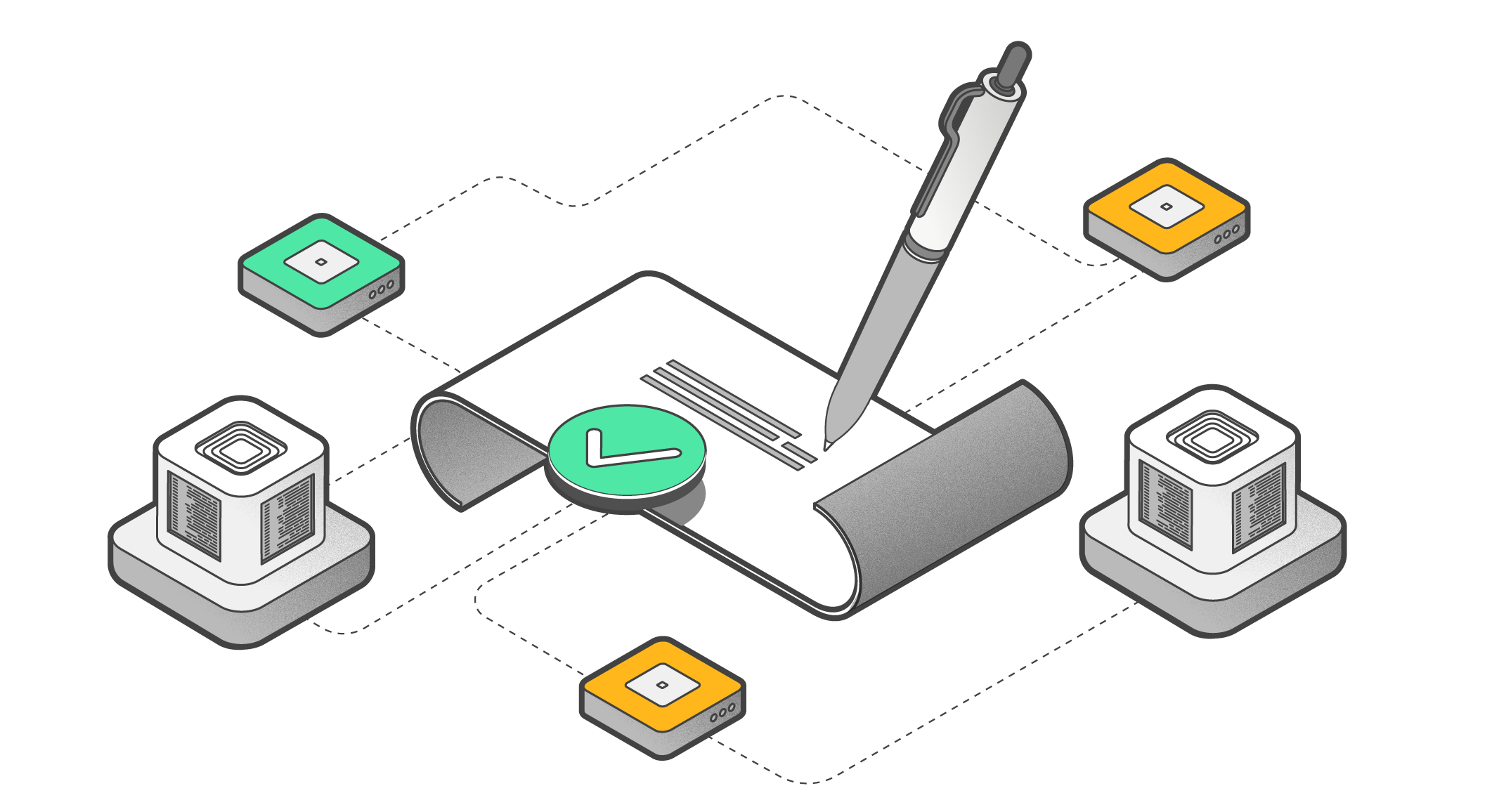
A smart contract is a digital agreement written as computer code and deployed on a blockchain network. It defines the specific rules and conditions that the parties must meet. Once those conditions are satisfied, the contract automatically executes the agreed-upon actions using an “if…then” logic.
Smart contracts allow people who do not know or trust each other to transact safely and efficiently without intermediaries. Instead of relying on banks, lawyers, or escrow services, smart contracts use cryptography and blockchain consensus to verify and enforce agreements. Because developers embed smart contracts in the blockchain, they run independently and cannot be altered once deployed. That immutability makes transactions predictable, automated, and tamper-resistant.
Why Smart Contracts Are Important
Smart contracts play a critical role in the blockchain ecosystem. They power decentralized applications (dApps) and enable secure interactions involving cryptocurrencies, NFTs, and digital assets. Since blockchain networks typically operate without centralized oversight, smart contracts act as the enforcement mechanism. They ensure that all participants follow the rules exactly as written, reducing fraud, disputes, and reliance on third parties. Key advantages include automation, transparency, lower costs, and faster execution.
A Brief History of Smart Contracts
The idea of smart contracts dates back to 1994, when computer scientist and cryptographer Nick Szabo introduced the concept. He envisioned digital protocols that could automatically execute agreements and verify compliance. At the time, the necessary infrastructure did not exist. The idea became practical nearly two decades later with the launch of Ethereum in 2013, which introduced a programmable blockchain explicitly designed to support smart contracts.
How Smart Contracts Work
Smart contracts are part of a blockchain’s codebase and serve the same purpose as traditional paper contracts, but in digital form. Instead of legal language, developers define their terms through programming logic.
Once deployed, a smart contract:
- The contract monitors whether the system meets predefined conditions
- Automatically executes actions when conditions are satisfied
- The contract enforces penalties or restricts access to assets when the system violates conditions.
A user transaction typically triggers execution through a crypto wallet or by another smart contract interacting with it.
Smart Contracts vs Traditional Agreements
Smart contracts differ from traditional contracts in several important ways:
- Transactions are executed automatically on the blockchain
- Developers write contracts in code, not legal prose.
- No one can change the terms after deployment
- The system stores contract data on a public or permissioned ledger
- No intermediaries are required
These differences reduce delays, costs, and the risk of human error.
Smart Contract Use Cases
Smart contracts are already widely used across multiple industries.
- Lending and DeFi: In decentralized finance, smart contracts automate loan issuance, interest calculations, collateral management, and repayments. Because the rules are hard-coded, they reduce fraud and increase transparency.
- Insurance: Smart contracts can automate insurance payouts using external data sources, such as oracles. When a predefined event occurs and is verified, compensation is released automatically without manual claims processing.
- Media and NFTs: Creators use smart contracts to define ownership, royalties, and licensing terms for NFTs, ensuring artists receive fair and transparent payments each time someone resells their work.
- Business Reputation Management: Immutable reviews and ratings stored in smart contracts make it impossible to edit or delete negative feedback, helping build trust through verifiable reputational data.
- Supply Chain Management: By recording logistics data on the blockchain, smart contracts help track goods, verify deliveries, and reduce errors across complex supply chains. Developers are exploring smart contracts in healthcare, voting systems, property rentals, and online gaming.
FAQs about Smart Contracts
Are smart contracts legally binding?
In many jurisdictions, smart contracts can be legally binding if they comply with local contract law. However, legal recognition varies by country.
Can smart contracts be changed after deployment?
In most cases, no. Once deployed, smart contracts remain immutable. Some systems support upgradeable contracts, but developers must plan for that in advance.
What are smart contract oracles?
Oracles are services that provide external data to smart contracts, such as price feeds, weather data, or event confirmations.
Are smart contracts secure?
Smart contracts are secure by design, but bugs in the code can create vulnerabilities. Thorough testing and audits are essential.
Conclusion
Smart contracts are a foundational technology of blockchain systems. They enable transparent, automated, and trust-minimized transactions across both digital and real-world industries. As blockchain adoption grows, smart contracts are likely to play an increasingly important role in creating, enforcing, and executing agreements, helping streamline processes and reduce reliance on intermediaries.