



วอลเล็ตสำหรับ RyuJin
ปกป้อง RyuJin ของคุณด้วย Tangem
Tangem secures your RyuJin. Discover why thousands rely on our hardware wallet for ultimate peace.
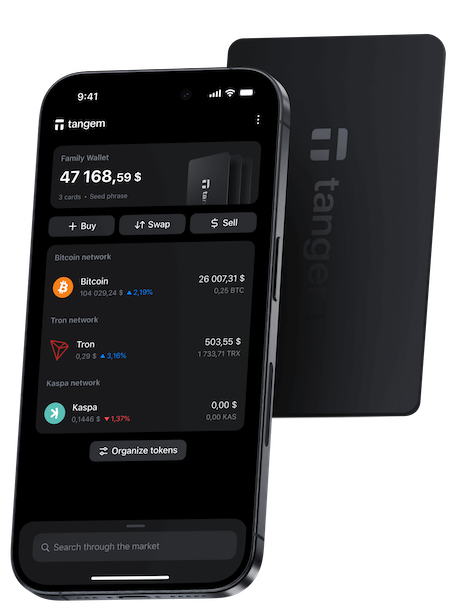

วิธีปกป้อง RyuJin ของคุณด้วย Tangem?
เมื่อคุณซื้อหรือถือ RyuJin ไว้ใน Tangem Private Key ของคุณจะได้รับการปกป้องหลายชั้น:
- ไร้ Seed Phrase สำรองข้อมูลได้หลายใบ ให้ RyuJin ของคุณอยู่ในการควบคุมของคุณ
- ป้องกันน้ำและฝุ่นระดับ IP69K ปกป้องการ์ดจากความร้อน ความเย็น แรงกระแทก และรังสี X-ray
- ล็อกด้วย Access Code และ Biometric ใน Tangem Mobile ช่วยป้องกันการเข้าถึงวอลเล็ตโดยไม่ได้รับอนุญาต
- Private Key ถูกสร้างและจัดเก็บภายใน Secure Element ที่ผ่านการรับรอง EAL6+ โดยจะไม่ออกจากตัวการ์ด
อยากเก็บ RyuJin กับ Tangem เริ่มต้นอย่างไร?
Tangem ออกแบบมาให้ใช้งานได้สำหรับทุกคน ตั้งแต่มือใหม่ไปจนถึงผู้ใช้ที่มีประสบการณ์ ช่วยให้คุณจัดเก็บและจัดการคริปโตได้อย่างปลอดภัยและง่ายดาย ด้วยเทคโนโลยีล้ำสมัย Tangem ให้คุณควบคุมและปกป้องสินทรัพย์ดิจิทัลของคุณได้ด้วยตัวเอง
ซื้อ Tangemทำไมต้องเก็บ RyuJin ไว้กับ Tangem?
ความเป็นส่วนตัว
ไม่ต้องลงทะเบียนหรือ KYC เพื่อใช้แอป เราไม่ติดตามข้อมูลของคุณ

ความปลอดภัย
Private Key ของคุณจะถูกเข้ารหัสและไม่ออกจากอุปกรณ์ คุณเท่านั้นที่ควบคุมสินทรัพย์ของคุณได้

ดีไซน์เพื่อการใช้ง่ายที่สะดวก
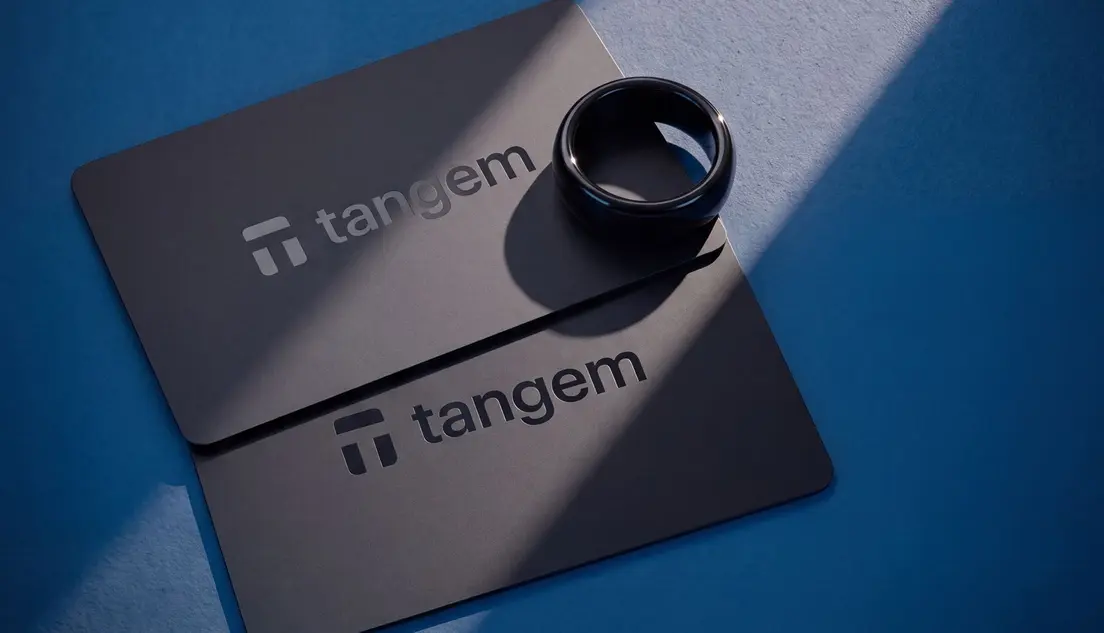
เลือกสไตล์ที่ใช่ ทั้งรุ่น Co-branded สุดพิเศษและวอลเล็ตดีไซน์ทรงแหวน พร้อมฟังก์ชันที่ครบจบในตัว

ดูแลลูกค้าตลอด 24/7
ให้ความช่วยเหลืออย่างรวดเร็วตามความต้องการของคุณ บริการแชตสด และการสนับสนุนทางอีเมลสำหรับลูกค้าจากทั่วโลก

What is RyuJin (RYU)?
RyuJin is a cryptocurrency token ingeniously crafted to augment the Omikami Ecosystem by fostering success and advancement. Represented by a powerful dragon symbol, RyuJin captures the essence of wisdom, devotion, and its ties to the expansive ocean and universe.
What is a RyuJin wallet?
A RyuJin wallet is designed for storing private keys which enable users to manage their RyuJin addresses. While it doesn’t contain actual RyuJin, since the cryptocurrency resides on the blockchain, its main function is to create and keep private keys secure, thus facilitating management of RyuJin holdings. Essentially, a RyuJin wallet serves as a platform for holding, sending, receiving, and managing RyuJin.
How does a RyuJin wallet work?
RyuJin wallets utilize pairs of public and private keys to handle blockchain accounts. The private key is crucial for accessing a particular RyuJin account and must be kept secure, whereas the public key can be shared to collect RyuJin. To transfer assets out, you need the matching private key. The Tangem Wallet generates and secures these private keys within its hardware.
What are the types of RyuJin wallets?
Exchange RyuJin Wallets:
Platforms like Coinbase, Binance, and Kraken facilitate RyuJin purchases with conventional money using custodial wallets. These present risks such as potential account access restrictions.Software RyuJin Wallets:
These wallets are installed on devices, allowing for management of private keys and RyuJin. They are convenient but exposed to potential malware and hacking attempts. This category includes mobile, desktop, and browser-based wallets.Mobile RyuJin Wallets:
Applications that offer RyuJin management on smartphones.Desktop RyuJin Wallets:
Installed on PCs, these wallets store private keys on hard drives or SSDs.Hardware RyuJin Wallets:
Secure offline storage options such as Tangem, ideal for protection against online vulnerabilities.
How to Choose the Best RyuJin Wallet
Selecting the optimal wallet centers on personal requirements, focusing on simplicity, trustworthiness, durability, and security. To safeguard against online risks and safely secure substantial amounts, a hardware wallet like Tangem is highly recommended.
RyuJin RYU


Tangem รองรับสกุลเงินดิจิทัลอื่นๆ ด้วย
มั่นใจทุกการใช้งาน จัดการคริปโตนับพันรายการได้ง่าย ๆ ทุกที่ทุกเวลา
ดูคริปโตที่รองรับทั้งหมดคำถามที่พบบ่อยเกี่ยวกับ RyuJin
- Wallet ที่ดีที่สุดสำหรับ RYU คือ Wallet ที่ช่วยปกป้อง Private Key ของคุณ พร้อมใช้งานง่าย Tangem Wallet มอบทั้งความปลอดภัยและความสะดวกไว้ในที่เดียว
- คุณสามารถใช้วอลเล็ตแบบซอฟต์แวร์ส่วนใหญ่ได้โดยไม่มีค่าใช้จ่าย วอลเล็ตแบบฮาร์ดแวร์ซึ่งมีระบบรักษาความปลอดภัยเพิ่มเติมจะต้องซื้อแยกต่างหาก และอาจมีค่าธรรมเนียมเครือข่ายเพิ่มเติม
- Wallet ที่ดีที่สุดสำหรับเก็บ RyuJin คือ Wallet ที่เก็บ Private Key ไว้ออฟไลน์ พร้อมให้คุณจัดการสินทรัพย์ได้ง่าย Tangem มอบทั้งความปลอดภัยและความสะดวก โดยเก็บ Private Key ไว้ในตัวการ์ดแบบออฟไลน์ และเพียงแตะการ์ดกับโทรศัพท์เพื่อใช้งาน
- วอลเล็ต RyuJin เก็บ Private Key ที่ให้คุณเข้าถึง RYU ได้ อาจมาในรูปวอลเล็ตแบบซอฟต์แวร์หรือแบบฮาร์ดแวร์อย่าง Tangem เพื่อความปลอดภัยที่สูงขึ้น
- Zuki isa P2E gaming platform built on a decentralized economy application and is community-oriented.
- 2008–2009: CreationOn 31 October 2008,a link to a white paper authored by Satoshi Nakamoto titled Bitcoin: A Peer-to-Peer Electronic Cash System was posted to a cryptography mailing list. Nakamoto implemented the bitcoin software as open-source code and released it in January 2009.
บทความที่เกี่ยวข้อง
เรียนรู้เพิ่มเติม


มีบางอย่างผิดพลาด
โปรด
ห้ามพลาด! 🚀 เราลดราคา 20%
Flash Sale ใกล้หมดเวลา! รับ BTC เป็นรางวัล แตะแล้วรับเลย

00:00:00

